
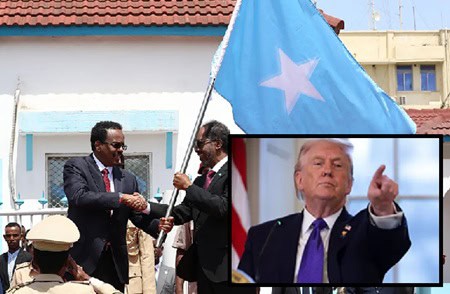
The Trump administration, in coordination with Homeland Security Secretary Kristi Noem, has officially ended Temporary Protected Status (TPS) for Somali nationals living in the United States.
Those currently under TPS will be required to depart the country by March 17, 2026, or face deportation.
What is Temporary Protected Status (TPS)?
TPS is a humanitarian program that allows foreign nationals from countries experiencing conflict, natural disasters, or extraordinary conditions to live and work legally in the U.S. Somali nationals were first granted TPS in 1991 due to civil war in Somalia. The program has been extended multiple times over the decades, most recently under the Biden administration.
Why TPS for Somalis is Ending
Secretary Noem stated that the administration believes “conditions in Somalia have improved sufficiently” to justify ending TPS. Officials cite recent political stability and economic development in Somalia as key reasons for the policy change. More details about TPS policy updates can be found at Migration Policy Institute.
Impact on Somali Communities in the U.S.
The announcement has raised alarm among Somali communities, particularly in Minnesota, which hosts one of the largest Somali populations in the United States. Community leaders warn that thousands could face forced deportation, separation from family, and disruption to careers and daily life. Local coverage and reactions are available from the Star Tribune.
Immigrant advocacy groups, such as Refugee Council USA, have pledged legal support and resources for those affected, urging individuals to seek counsel immediately and explore other immigration options, including asylum or work visas.
Legal and Political Context
While ending TPS is legally permissible under U.S. immigration law, experts note the move highlights the uncertainty of temporary humanitarian protections. For broader context on U.S. immigration law, see Human Rights Watch.
What Affected Individuals Should Do
Consult an immigration attorney immediately
Explore alternative visas or asylum options
Stay informed on deadlines and official guidance from theDepartment of Homeland Security
The administration’s decision marks a major shift in U.S. immigration policy, impacting Somali nationals who have lived and contributed to the United States for decades.