
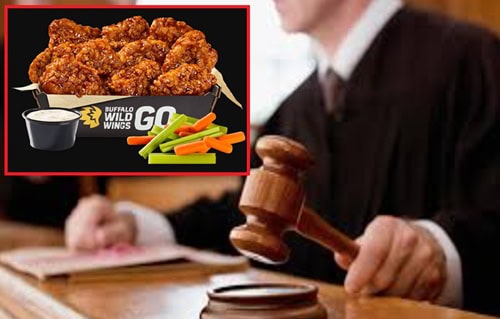
A federal judge in Illinois has dismissed a lawsuit challenging Buffalo Wild Wings’ marketing of “boneless wings,” ruling that the popular menu item does not constitute false advertising.
The case began in January 2023 when a Chicago man purchased boneless wings at a Buffalo Wild Wings location in Mount Prospect, Illinois. The plaintiff claimed he was misled, expecting pieces of actual wing meat rather than chicken breast, and sought up to $10 million in damages.
However, the judge concluded that the lawsuit “has no meat on its bones,” stating that the plaintiff failed to demonstrate that a reasonable consumer would be misled by the term “boneless wings.”
The ruling highlights that the phrase is widely understood in the food industry and by diners, and does not require the meat to come specifically from a chicken wing.
“Boneless wings” have been a common menu item for decades, typically referring to chicken breast pieces prepared in a wing-style sauce.
The court determined that the labeling aligns with consumer expectations and dismissed the case, allowing Buffalo Wild Wings to continue using the term.
This ruling sets a precedent for how menu items labeled as “boneless wings” are treated under advertising law, reinforcing the idea that descriptive food terms are judged based on general consumer understanding rather than strict anatomical accuracy.
Buffalo Wild Wings has not issued a public statement regarding the ruling, but the decision removes the threat of significant financial liability or mandated marketing changes for the chain.
Key Takeaways:
-
The lawsuit argued that boneless wings were misleading because they are made from chicken breast, not wing meat.
-
The judge ruled the term is widely understood and does not constitute false advertising.
-
Buffalo Wild Wings can continue marketing the product as “boneless wings” without legal risk.
Video Credit: abcnews.com/