
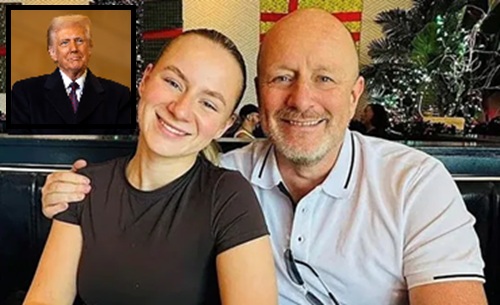
A Texas grand jury has declined to indict a father who fatally shot his 23-year-old daughter following a heated political argument earlier this year, according to court officials.
The case centers on the death of Lucy Harrison, a British citizen from Warrington, England, who was visiting her father at his home in Prosper, a suburb north of Dallas. She was shot in the chest during an incident in January 2025 involving her father, Kris Harrison.
Authorities said the shooting occurred after a disagreement about U.S. politics, including views related to President Donald Trump and gun ownership. According to testimony presented during subsequent proceedings, the argument escalated before Kris Harrison retrieved a handgun from inside the home.
Harrison told investigators the shooting was accidental, stating that the firearm discharged while he was handling it. Lucy Harrison died from a single gunshot wound to the chest.
In June 2025, a Collin County grand jury reviewed evidence in the case and voted not to bring criminal charges, including manslaughter or criminally negligent homicide. Under Texas law, a grand jury must determine whether sufficient evidence exists to proceed with prosecution.
Because the grand jury declined to indict, no criminal trial will move forward.
Local prosecutors have not publicly detailed the specific reasoning behind the panel’s decision, as grand jury proceedings are confidential under Texas law.
Separately, a coroner’s inquest in England examined the circumstances surrounding Lucy Harrison’s death. The inquest concluded the shooting amounted to “unlawful killing,” citing findings that the weapon had been pointed at her and fired.
However, such inquest findings in the United Kingdom do not carry legal authority in the United States and do not compel American prosecutors to file charges.
Members of Lucy Harrison’s family in the UK have publicly expressed grief and frustration over the decision not to prosecute. They have described the loss as devastating and have called for greater accountability.
The case has drawn international attention due to the political context of the argument and the cross-border legal complexities involved.